Sankatsu Dyeing: Weaving, Stenciling, and Dyeing Across Japan
Weaving and Fabric
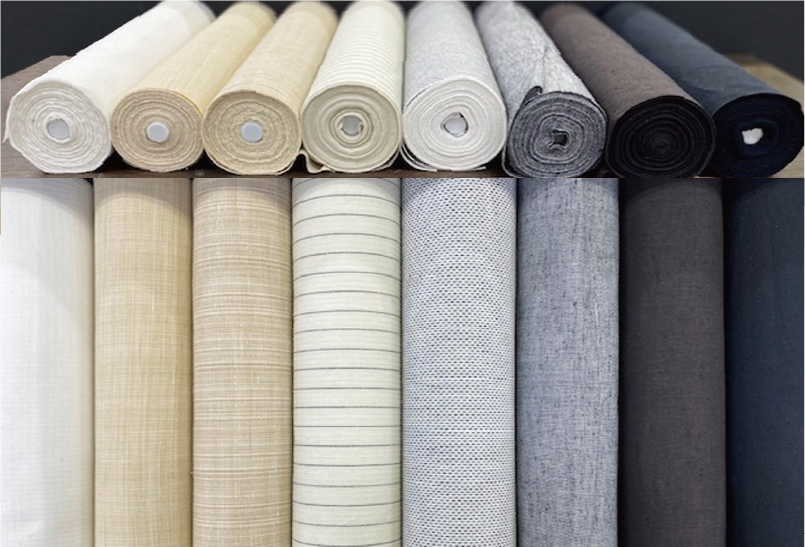
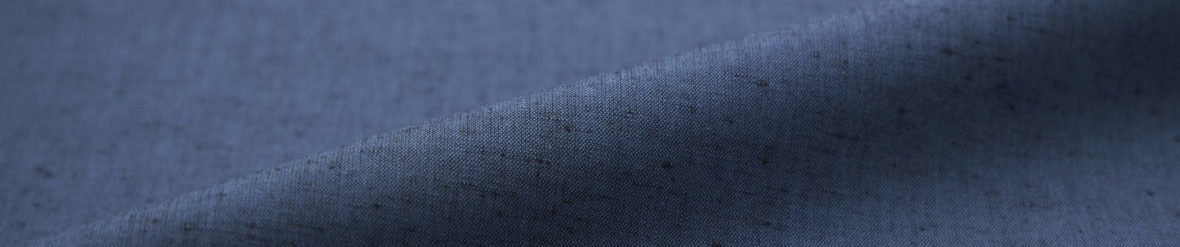
Sankatsu’s cotton fabrics are woven on narrow-width looms (Kohaba Shokki) still remaining in the production regions.
One bolt of fabric (enough for one garment) is approximately 1 kujirajaku (about 38cm) in width and 3 jō and 4 shaku (about 13cm) , is sufficient for one kimono.
The process of determining the loom, the color of the white and dyed threads, the texture of the weave, and the feel of the fabric is quite different from mass-produced wide-width fabrics.
It tells a unique story only possible with narrow-width looms that are continuously repaired and used.
Our exceptionally wide variety of fabrics is one of our key characteristics.
Stencils and Designs
For over 100 years、 Sankatsu has exclusively produced yukata.
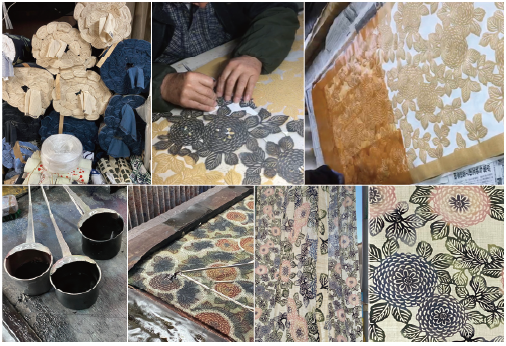
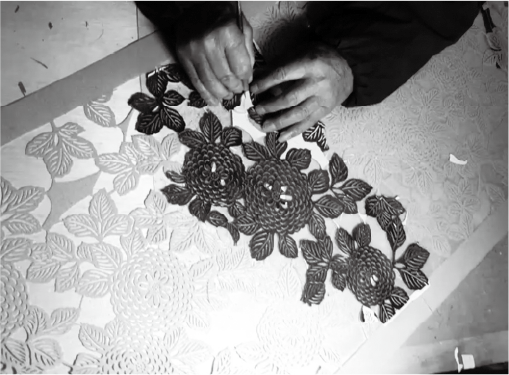
The countless designs and stencils passed down over this long period are mostly Ise Katagami (Ise paper stencils) carved in Suzuka City, Mie Prefecture.
The majority of these are stencils for the Chūsen (Pour Dyeing) method.
The ability to dye multiple colors using a single stencil, a feature of Chūsen, is made possible by the unique designs and the way they are carved.
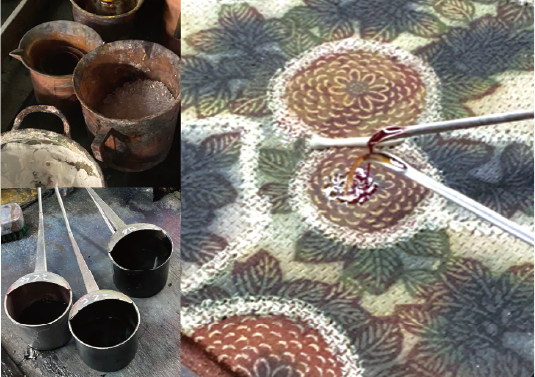
In Chūsen, the dye is poured through the stencil using a watering can-like tool. By carving subtle variations in the thickness of individual leaf veins, for example, delicate scenes of nature are rendered through the stencil and dyeing process.
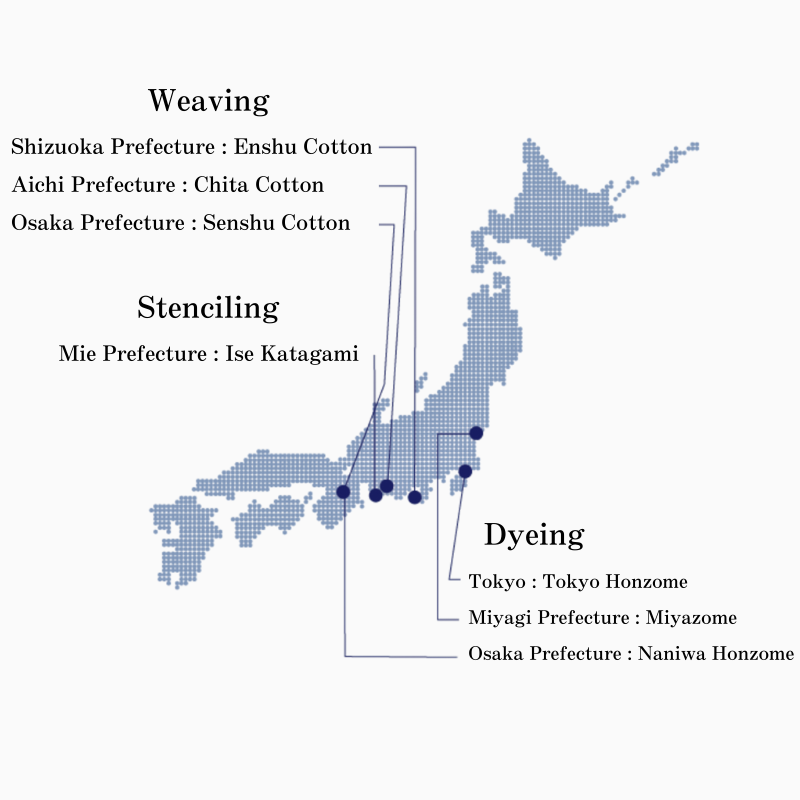
Dyeing
Chūsen uses a combination of six types of dyes to express color.
The process begins with measuring dye powders in grams and preparing the mixture by adding heat.
Depending on the area of color to be used, two different-sized watering cans are selected from a variety of options.
The dyes are poured and blended to create depth and dimension through variations in color intensity.
A key feature of Chūsen is that, because the dye colors the fibers of the threads rather than being placed on the surface, the fabric is dyed identically on both the front and back sides.